The first mistake people make with engineered wood flooring vs hardwood is treating it like a style choice instead of a jobsite choice. On paper, both can look like oak, both can look expensive, and both can fool a house hunter from six feet away. In the real world, one of them is better at handling moisture, slabs, and faster installs, while the other still has the edge when you want the floor to be sanded down and brought back later.
I’ve torn out enough bad floors to know this: the wrong pick usually isn’t ugly, it’s expensive. A homeowner spends $10,000 chasing the look they wanted, then finds out the subfloor, the moisture, or the existing trim made the whole plan sideways from day one.
The real difference in engineered wood flooring vs hardwood
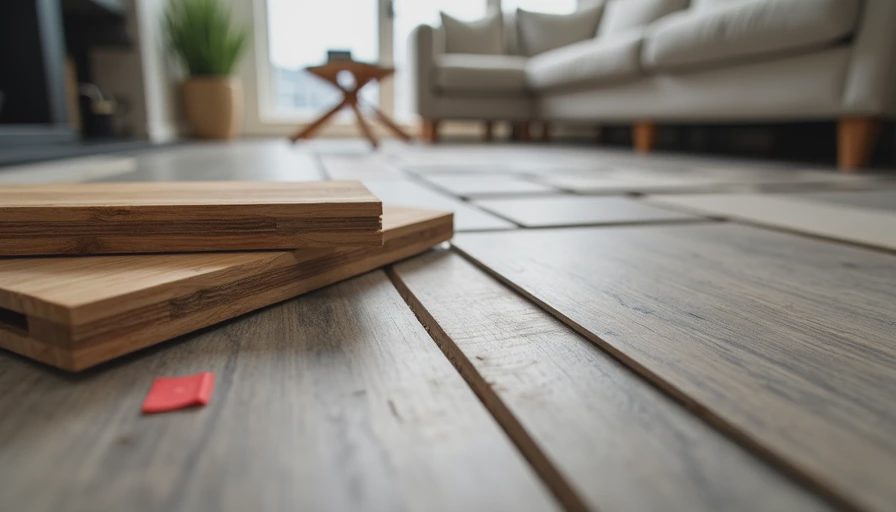
The short version is simple. Hardwood is solid wood all the way through. Engineered flooring is a real wood top layer bonded to plywood or a similar layered core. That core is what changes the game. It gives the plank more stability, which means less seasonal movement and fewer headaches on concrete slabs or in homes where humidity swings like a screen door in a storm.
That stability is why engineered boards show up so often in basements, condos, and slab-on-grade houses. You can glue them down, staple some products, or float certain click systems. Solid hardwood is more limited. It is happiest over a proper wood subfloor, nailed down, with the house dry enough and flat enough that nobody is trying to hide a wavy floor with a prayer.
The part most people miss is wear layer. A decent engineered floor might have a 3 mm to 4 mm wear layer, which gives you at least one sanding in many cases and sometimes two if the floor is in good shape and the guy running the sander knows what he is doing. Solid hardwood gives you more sanding life because the material is solid through the full thickness. That matters if you plan to stay put and want a floor that can be revived instead of replaced.
Cost, labor, and the part nobody budgets for in engineered wood flooring vs hardwood
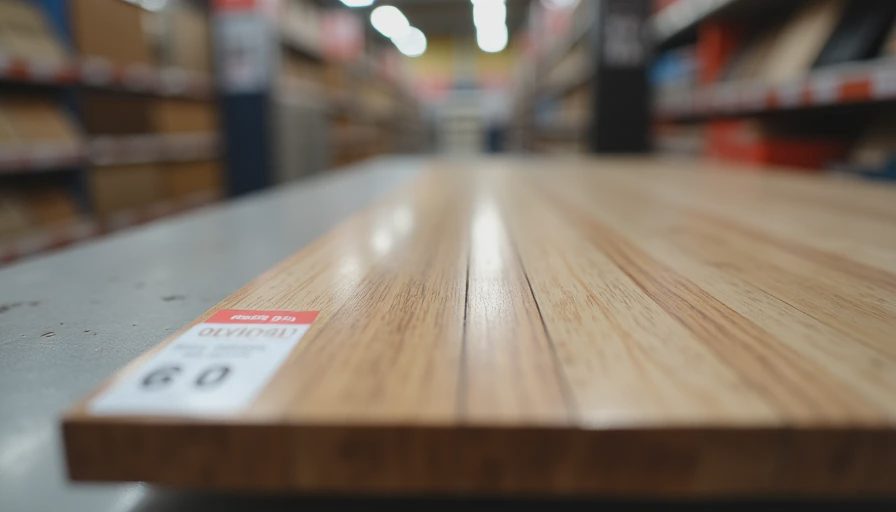
On installed price, engineered flooring usually lands in a friendlier range. I’ve seen solid, decent-looking engineered jobs come in around $8 to $14 per square foot installed, depending on species, plank width, and whether the crew is gluing, floating, or fastening it. Solid hardwood often runs $10 to $18 per square foot installed, and that climbs when the job needs site finishing, extra sanding, or trim work that nobody mentioned during the pretty showroom tour.
The sneaky cost is prep. If the slab needs moisture testing, grinding, patching, or a self-leveling skim coat, engineered can still be the better deal, but it is not magically cheap. If the wood subfloor is out of plane, both products suffer, and now you’re paying to make a bad structure behave. That is where a lot of budgets go missing. It is not the plank. It is the floor under the plank.
Solid hardwood also brings more finish steps if you buy unfinished stock. That means sanding, staining, and coating, which can add several dollars per square foot and a few extra days to the job. Prefinished hardwood narrows the gap, but you still have to deal with expansion space, fasteners, and a subfloor that needs to be right.
Where each floor wins in kitchens, basements, and older houses
If I’m walking a basement with a moisture history, I lean engineered every time. Not because I worship it, but because I like floors that stay where I put them. A good engineered board over a dry slab is a practical answer, especially if the homeowner wants a cleaner install and does not plan to make the basement a forever-floor museum.
In kitchens and main living areas, either product can work. The better question is how much abuse the room sees and how long you plan to own the house. Kids, dogs, rolling chairs, dropped pans, and wet shoes from the back door all punish finish first and wood second. Engineered often gives you a little more peace on tricky subfloors. Hardwood gives you more future repair room if the surface gets chewed up.
Older houses are where I get opinionated. If I’m matching existing oak in a 1920s place, or I know there is a good shot the floor will need another round of sanding in ten or fifteen years, hardwood still makes sense. I’ve repaired enough old homes to know that a floor you can rework later has real value. You do not always get that from a thinner engineered product, and some of the cheap stuff looks great until the finish wears through and then you are shopping again.
What I’d put in a house I planned to keep
If you want the house to feel finished quickly, the subfloor is concrete, and you want less risk of seasonal gaps or buckling, engineered is the cleaner choice. If the house has a proper wood subfloor, you want the option to refinish more than once, and you plan to stay long enough to care about the fifth year as much as the first, hardwood still earns its keep.
That is why engineered wood flooring vs hardwood is not really a beauty contest. It is a decision about structure, lifespan, and how much work you want the floor to let you do later. If you are buying once and living with it for a decade, spend money where the floor needs it: a thicker wear layer, a flat subfloor, and a finish that can take a beating. If you are fixing a house that already has old hardwood worth saving, don’t get cute and cover good material just because the showroom floor looked easier.
I’ve made the wrong call before. I once talked myself into replacing a salvagable hardwood floor because the customer wanted a faster timeline. The new floor looked fine, but the budget got hit twice, first on tear-out and then on trim and transitions I should have priced harder. That one lived in my Hall of Shame for a reason.
Bottom line from the jobsite
For most homeowners, engineered is the practical pick on slabs, basements, and fast-turn remodels. Hardwood is the better long-term bet when the structure supports it and the goal is refinishing down the road. If you are stuck between the two, look at subfloor type, total installed cost, and whether the floor needs to survive one renovation or three.
If you want my blunt answer after 18 years on the floor, I usually tell people to buy the product that makes the rest of the job easier without boxing them in later. That is the one that saves money for real, not the one that wins the sample board fight.
TL;DR: Sand it before you replace it. Call me crazy. Then call me after you get the estimate.

Travellers Write
No letters yet — be the first traveller to write.